

.webp)
Designing Your Ideal Garden Landscape Design
Creating the perfect garden landscape design is a rewarding project. It transforms your outdoor space into a beautiful, functional area that you can enjoy year-round. Whether you have a small backyard or a large commercial property, thoughtful planning is key. Together, we will explore how to design your ideal garden landscape with practical steps and clear advice.
Understanding Garden Landscape Design Basics
At Bennett’s tree care ltd Before we start digging, it’s important to understand the basics of garden landscape design. This involves more than just planting flowers. It’s about creating a balanced, inviting space that suits your lifestyle and the environment.
First, consider the purpose of your garden. Do you want a quiet retreat, a play area for children, or a space for entertaining guests? Knowing this helps guide your choices.
Next, think about the style you prefer. Some popular styles include:
Formal gardens with symmetrical layouts
Cottage gardens with a mix of flowers and herbs
Modern minimalist gardens with clean lines and simple plants
Also, take note of your garden’s natural features. Look at the soil type, sunlight exposure, and existing trees or shrubs. These factors influence what plants will thrive.
Finally, plan for seasonal interest. Choose plants that bloom at different times or have attractive foliage in autumn and winter. This keeps your garden looking good all year.
How to Approach Your Garden Landscape Design
When we design a garden landscape, we start with a clear plan. Here’s a step-by-step approach:
Sketch Your Space
Draw a rough map of your garden. Mark existing features like paths, fences, and trees. This helps you visualise the layout.
Divide the Area into Zones
Create zones for different uses, such as dining, relaxing, or gardening. This makes the space more organised and functional.
Choose Your Plants Wisely
Select plants that suit your climate and soil. Mix evergreen and deciduous plants for variety. Use native plants where possible to support local wildlife.
Add Hard Landscaping Elements
Paths, patios, walls, and fences add structure. They also make your garden easier to maintain.
Consider Lighting
Outdoor lighting extends the usability of your garden into the evening. Use solar lights or low-voltage options for energy efficiency.
Plan for Maintenance
Choose plants and materials that fit your available time and effort. A low-maintenance garden can still be beautiful.
By following these steps, you create a garden landscape design that is both practical and pleasing.

Stone paths add charm and guide visitors through the garden.
What is the Cheapest Way to Landscape a Garden?
Landscaping doesn’t have to break the bank. There are many ways to create a lovely garden on a budget. Here are some tips:
Start Small
Focus on one area at a time. This spreads out costs and effort.
Use Local and Native Plants
These plants are usually cheaper and easier to grow.
Reuse and Recycle
Salvage bricks, stones, or wood from old projects. Repurpose containers as planters.
DIY Where Possible
Doing your own planting, digging, and painting saves money.
Buy Plants in Bulk or Seedlings
Seeds and young plants cost less than mature specimens.
Choose Perennials Over Annuals
Perennials come back year after year, reducing replanting costs.
Keep Hard Landscaping Simple
Use gravel or mulch instead of expensive paving.
By applying these ideas, you can achieve a beautiful garden landscape design without overspending.
Incorporating Trees and Fencing into Your Garden Landscape Design
Trees and fencing are essential parts of many garden landscapes. They provide privacy, structure, and shade. When we plan these elements, we think about both aesthetics and function.
Trees
Choose trees that fit your space and soil. For smaller gardens, opt for compact or columnar trees. Larger gardens can accommodate shade trees or fruit trees. Remember to consider the tree’s mature size to avoid overcrowding.
Trees also support wildlife and improve air quality. Regular pruning keeps them healthy and safe.
Fencing
Fencing defines your garden boundaries and adds security. It can also be a design feature. Wooden fences offer a natural look, while metal or composite fences provide modern styles.
Consider the height and style of your fence to match your garden’s character. Adding climbing plants or trellises can soften the look.
Together, trees and fencing create a framework that enhances your garden landscape design.
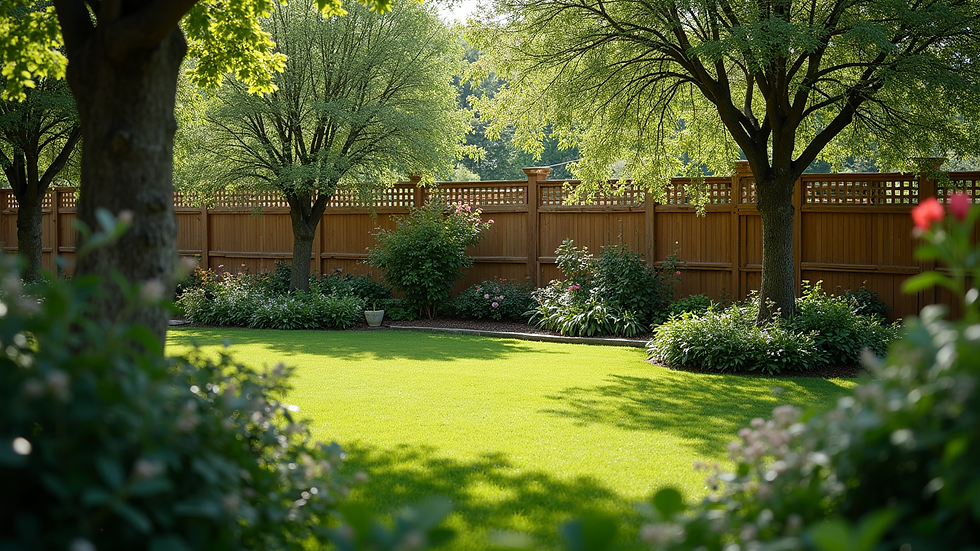
Wooden fences and mature trees create privacy and natural beauty.
Bringing It All Together with Professional Help
While DIY projects are rewarding, sometimes professional help makes a big difference. Experts can offer advice tailored to your garden’s unique conditions. They can also handle complex tasks like tree surgery or installing fencing.
For those in Berkshire, companies like Bennetts Tree Care provide reliable and professional services. Their expertise ensures your garden landscape design is safe, sustainable, and visually appealing.
Using professional services can save time and prevent costly mistakes. It’s an investment in the long-term health and beauty of your garden.
Making Your Garden Landscape Design Last
A well-designed garden needs care to stay beautiful. Here are some tips to keep your garden thriving:
Regular Watering
Adjust watering based on the season and plant needs.
Mulching
Mulch helps retain moisture and suppress weeds.
Pruning and Deadheading
Keep plants healthy and encourage new growth.
Soil Care
Test soil periodically and add nutrients as needed.
By maintaining your garden, you protect your investment and enjoy your outdoor space for years to come.
Designing your ideal garden landscape design is a journey. With clear planning, smart choices, and a bit of effort, you can create a space that reflects your style and meets your needs. Let’s get started on making your garden a place you love.
Call our office today to discuss if you have a vision we can build it we have the teams, knowledge and expertise 01189070454 07826422707 info@bennettstreecare.co.uk


Comments